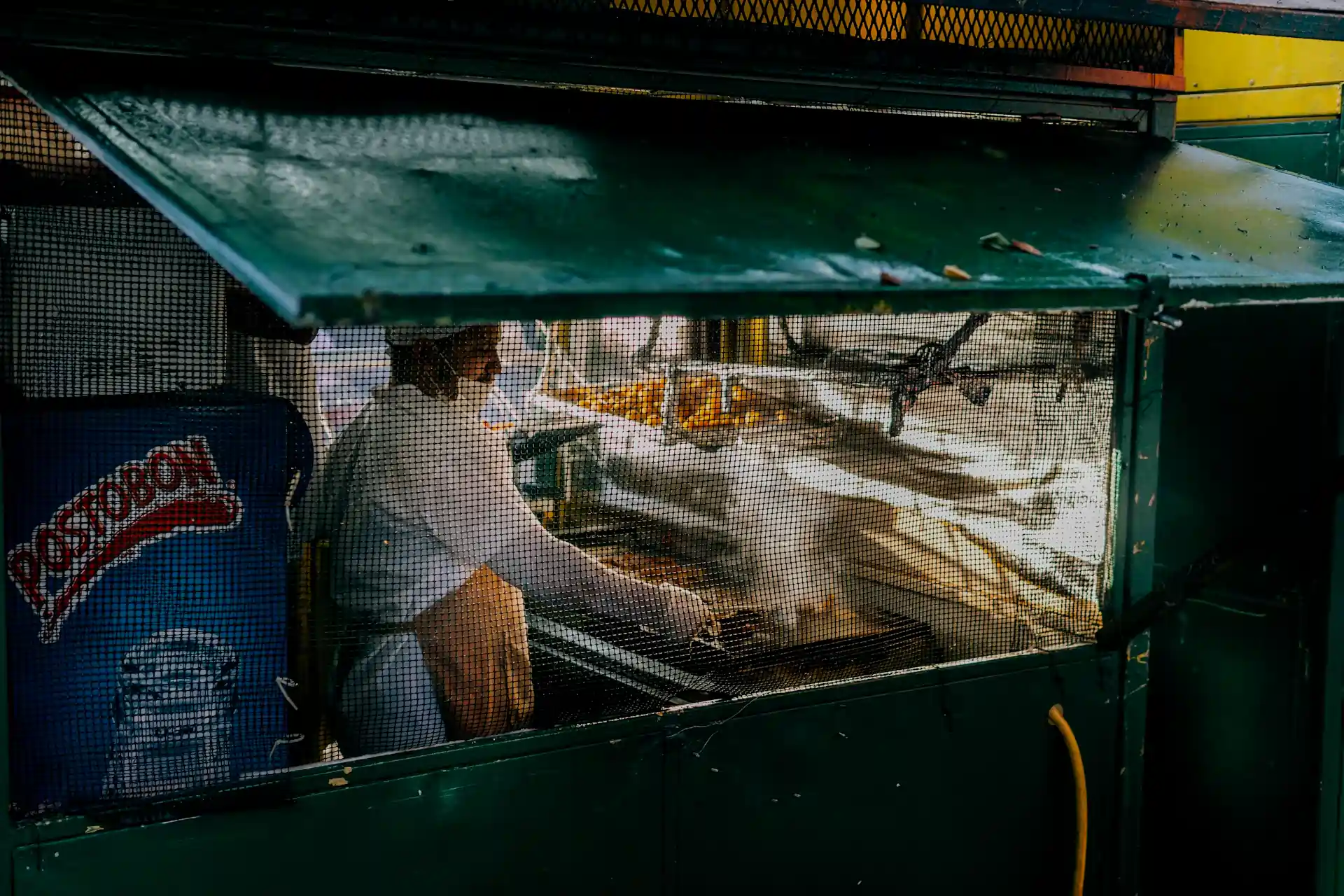
Growing up in the Suba, Costa Azul neighborhood of Bogotá, Colombia, in the early 1990s, photographer Alejandra Loaiza found comfort and joy in mecato—a Colombian term for snacks and small bites. From empanadas and arepas to plantain chips and chicharrón, mecato represents more than just food; it reflects the heartbeat of everyday life. After school, Loaiza would visit a local arepa truck, while Sundays were marked by the comforting aroma of tamales from neighborhood bakeries. For her, mecato “gives life to the neighborhood.”
Loaiza moved to Europe more than ten years ago, but she missed these deeply rooted food traditions, especially the warmth of late-night street food culture. She now lives in Paris and says that the late-night options there are limited and don't have the emotional connection she has with Colombian food.
Driven by nostalgia and cultural pride, Loaiza launched a photography project to honor mecato and the daily rituals that make up Colombian life. He did this out of nostalgia and cultural pride. She worked with Colombian artist and set designer Jhonson Camilo Tovar Quintero to make a series of colorful diptychs that mix pictures of food with cultural symbols like Catholic iconography and the national sport tejo.
The project captures street food stalls, local restaurants, and other things that might fade away over time. Loaiza uses it to document and preserve places that he doesn't know if they will still be there in 20 years. Through her lens, mecato becomes more than just a taste of home; it becomes a strong symbol of identity, memory, and community.

Written By
Lily Adam shares lifestyle, wellness, and modern living inspiration, blending fashion with travel, home, and mindful experiences.