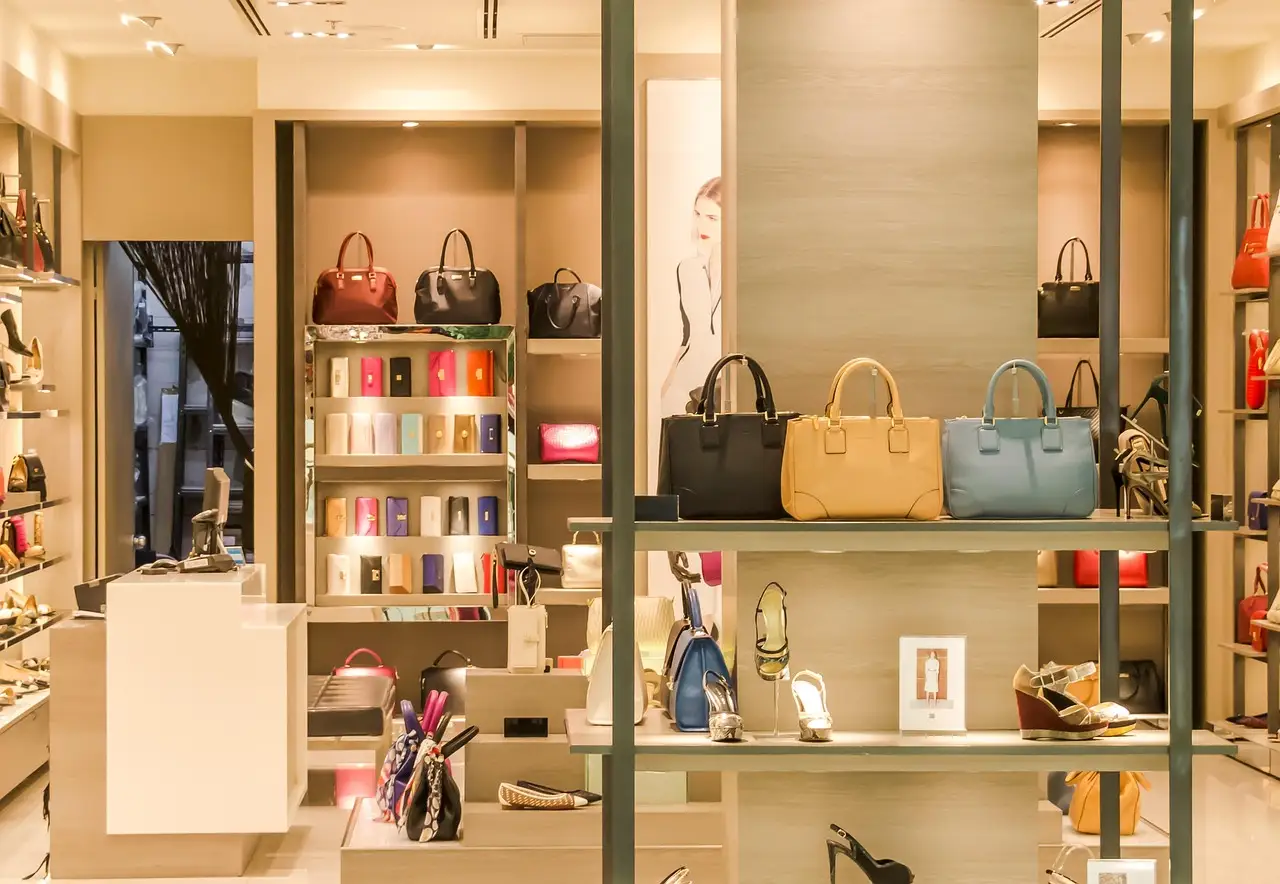
However, fashion is currently undergoing a fundamental shift in perception. What used to be considered the stepchild of the fashion industry has now come to define one of the largest growth stories of the last decade. Second-hand fashion is no longer the epitome of shame and guilt; rather, it has come to define the epitome of creativity and smart consumerism.
The shift in second-hand fashion has not only been quantitative but also qualitative. A generation of consumers has grown up with the idea of fast fashion and has now come to define the shift to slower fashion cycles, not just in the context of the season but also in the context of individuality.
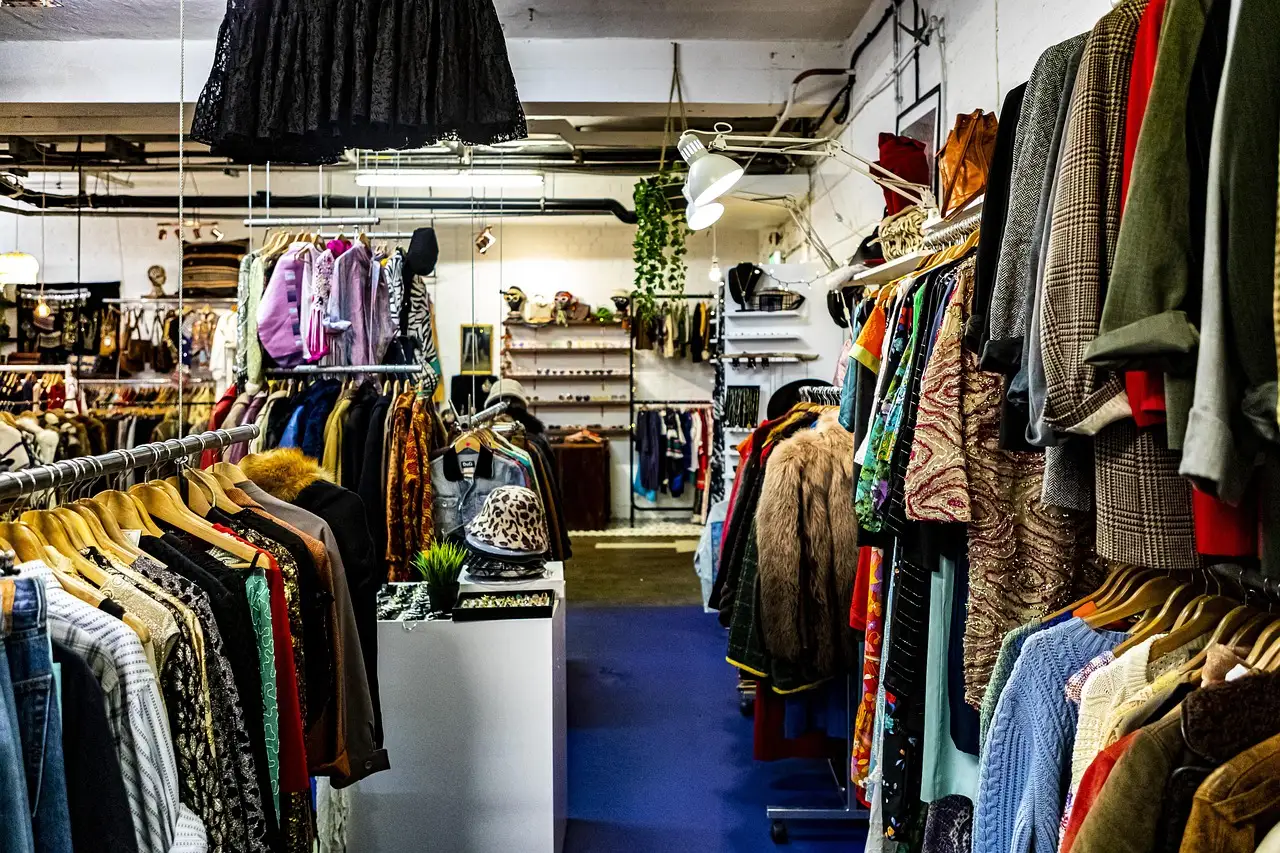
Credits: Getty Images
The second-hand fashion industry has undergone a fundamental shift in perception and has now come to define one of the fastest-growing markets in the world of fashion. While second-hand fashion has traditionally come to define the world of charity shops and thrift stores, it has now come to define the world of the mainstream, thanks to the power of technology and the ideals of circular fashion and sustainability.
This is reflected in consumer behavior too: in Europe and North America, substantial percentages of people have purchased second-hand apparel, accessories, or footwear within the past 12 months. Though there is some discrepancy in what is being measured – for instance, some focus on second-hand clothing only, while others focus on accessories and footwear too, and some focus on gross merchandise volume instead of retail replacement value – there is no doubt that there is double-digit growth in all areas.
Globally, second-hand apparel is projected to be worth USD 367 billion by 2029, growing nearly three times faster than the wider apparel market. The largest country market is the U.S., and this is projected to be worth USD 74 billion. This comes after a strong 14% growth in 2024. Other areas, such as Europe, where platforms such as Vinted and Depop are performing well and benefiting from positive regulatory developments on reuse and recycling.
Second-hand luxury retail, once considered a threat to luxury’s exclusivity, is now an integral part of the global luxury landscape. According to UniformMarket, second-hand luxury retail is projected to reach USD 66 billion in 2030. The second-hand apparel market is conservatively projected to reach USD 250-400 billion in 2030, with second-hand luxury retail adding another USD 50-70 billion to that figure.

Written By
Scarlett Hayes analyzes fashion business trends, brand strategy, and global retail insights shaping the industry’s future.