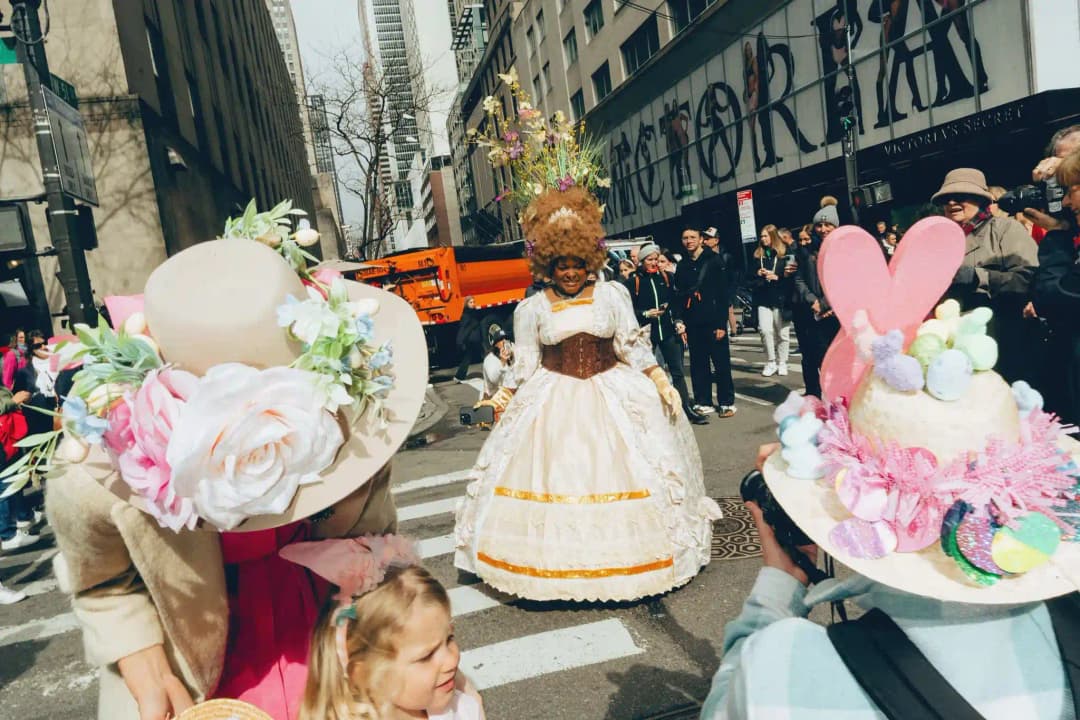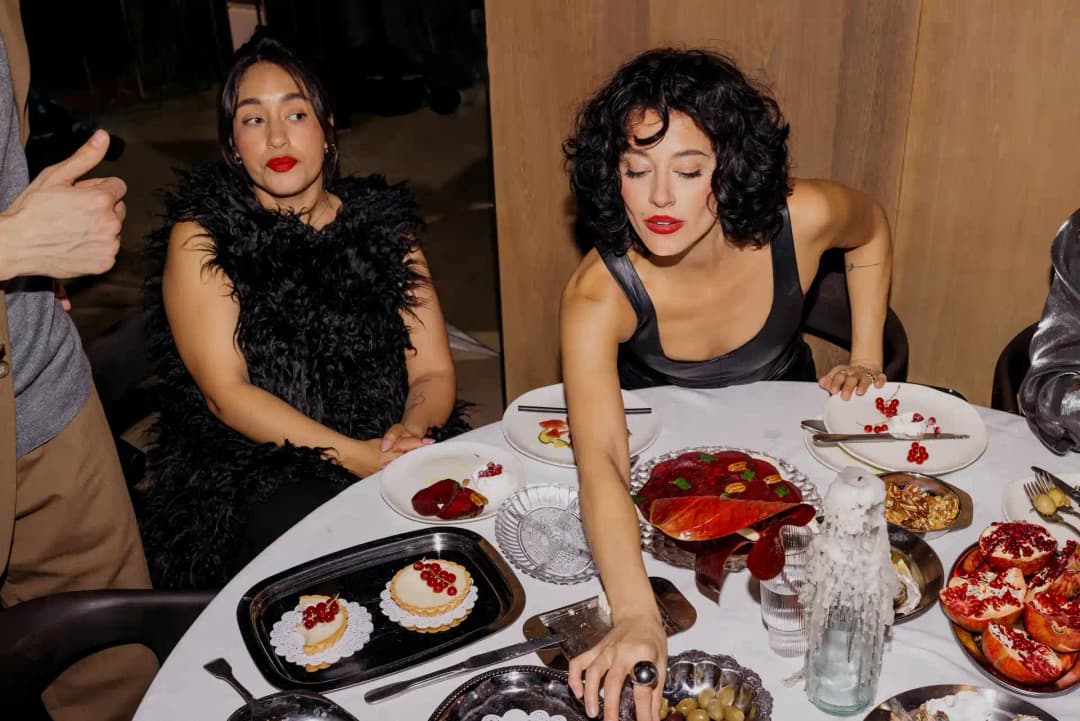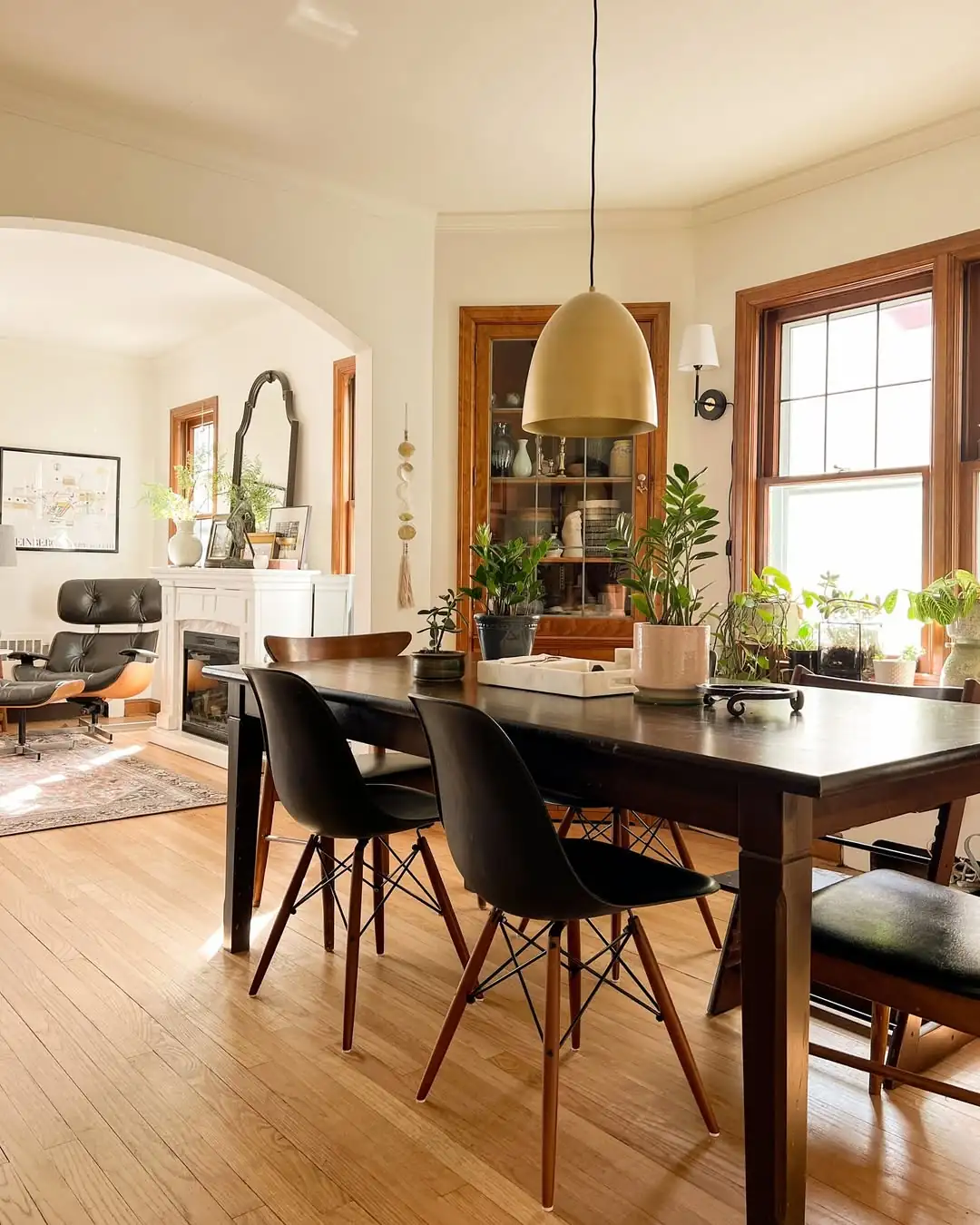
There was a time when luxury was all in what you owned. In 2026, it is increasingly defined by how you host.
From fashion capitals to burgeoning cultural hubs, a quiet but unmistakable shift is redefining the notion of “home entertaining.” The modern gathering is not a formal dinner party or a casual get-together, but a curated, emotionally intelligent experience where food, fashion, design and storytelling come together in a single aesthetic language.
In this new landscape, the most stylish homes are not the biggest or most expensive, but the most intentionally lived in.
The “Designed Social Home” Develops
There’s no doubt about it: the 2026 interior direction is veering away from sterile minimalism and towards spaces with a sense of layering, personality and emotional resonance. Designers are leaning toward warmth, tactility and narrative-led interiors — homes that feel like they’ve been collected over time instead of staged for a photo.
This is more than a cosmetic change. It’s a sign of a broader cultural fatigue with over-curation. The modern living space is being redefined as a social instrument, designed not only for comfort but for connection.
Think more lived-in salon than showroom.
From Dinner Parties to Hosting by Atmosphere
Lighting temperature, sound texture, scent layering and table composition are all being considered as seriously as fashion styling used to be, and atmosphere design is becoming more and more important for contemporary gatherings.
Smart, adaptable lighting systems that can transition from crisp morning hues to warm evening glow are becoming key to how hosts set the mood. The home is a responsive environment, it tunes itself to the emotional rhythm of the guests.
Choreographically, this is hosting.
Dinner is not merely served, it is staged, with pacing, lighting and even silence seen as deliberate design elements.
Food as Fashion: The Table is a Runway
One of the most visible expressions of this shift is the elevation of food to aesthetic culture.
In 2026 the culinary presentation is more and more aligned with the logic of fashion: proportion, texture, colour contrast, composition are as important as taste. In luxury branding and social settings food is being used as a storytelling device, where even basic ingredients are turned into symbolic objects of design.
Miniature plates, sculptural desserts, and heritage-inspired dishes are commonplace at intimate gatherings. The table is no longer simply functional, it is editorial.
Today, a dinner spread should be as delicious as it is photogenic.
The New Guest List: Curated Not Crowded
The guest list has also been quietly reshuffled. Hosts are opting for smaller, more carefully curated circles rather than large socially dense events.
The emphasis is now on social chemistry rather than social scale.
Guests are often chosen not for status, but for conversational texture—artists, designers, writers, founders, and culturally fluent people who contribute to the tone of the evening. It’s a matter of coherence, not spectacle.
This, in many ways, mirrors larger luxury trends of exclusivity no longer simply being about access but alignment.
Designing Emotion: The Return of the “Living Room Stage”
Living rooms in 2026 are increasingly designed as performative spaces – not in a theatrical sense, but as spaces that can hold emotional range.
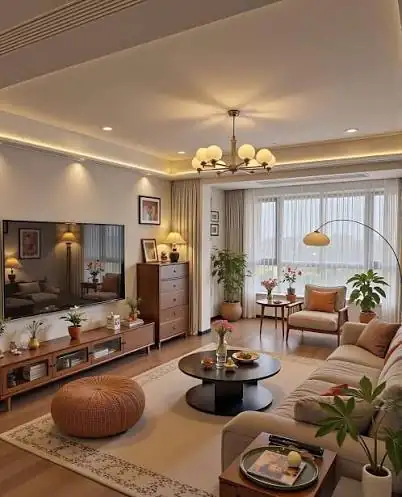
Furniture has become more sculptural, seating more fluid and layouts more modular. The traditional “sofa facing TV” layout is becoming more flexible, with circular seating arrangements, asymmetrical clusters and multi-zone layouts.
Colour palettes are also getting deeper. Earthy neutrals are giving way to richer tones – chocolate browns, muted teals and heritage-inspired hues that create a cocoon-like intimacy.
The result is a space that reads less like a room and more like a narrative environment.
The Cultural Importance of Staying In
The most important change is perhaps a psychological one, and not an aesthetic one.
Not going out of the house is no longer seen as a withdrawal but rather a cultural choice. Hosting at home is a way to regain a sense of intimacy in an overstimulated world where public spaces can feel transactional and mediated by digital tools.
The modern home gathering is not an escape from the outside world. “It’s about curating it, taking a little bit of the outside culture and putting it in a carefully controlled, sensory-rich setting where time feels like it’s moving more slowly and more intentionally.”
Reimagining Luxury
If the 2010s were the decade of destination experiences, and the early 2020s the decade of hyper-public social media lifestyles, then 2026 is quietly redefining luxury as something more down to earth: presence.
The most desirable rooms are not necessarily the most photographed, but the most remembered spaces where conversations hover, the light softens time, and the line between guest and host dissolves.
In this sense the new status symbol is not a product nor a place.
It’s atmosphere, crafted with care and shared freely.

Written By
Lily Adam shares lifestyle, wellness, and modern living inspiration, blending fashion with travel, home, and mindful experiences.