Six students at the Royal Academy of Fine Arts in Antwerp in the early 1980s could not have known that they would become one of the most important groups in fashion. Today, they are known as the Antwerp Six: Dirk Bikkembergs, Ann Demeulemeester, Walter Van Beirendonck, Dries Van Noten, Dirk Van Saene, and Marina Yee. They would go on to change the way people think about design and creativity. Their story still shows how shared goals and curiosity can bring about cultural change, even after forty years.
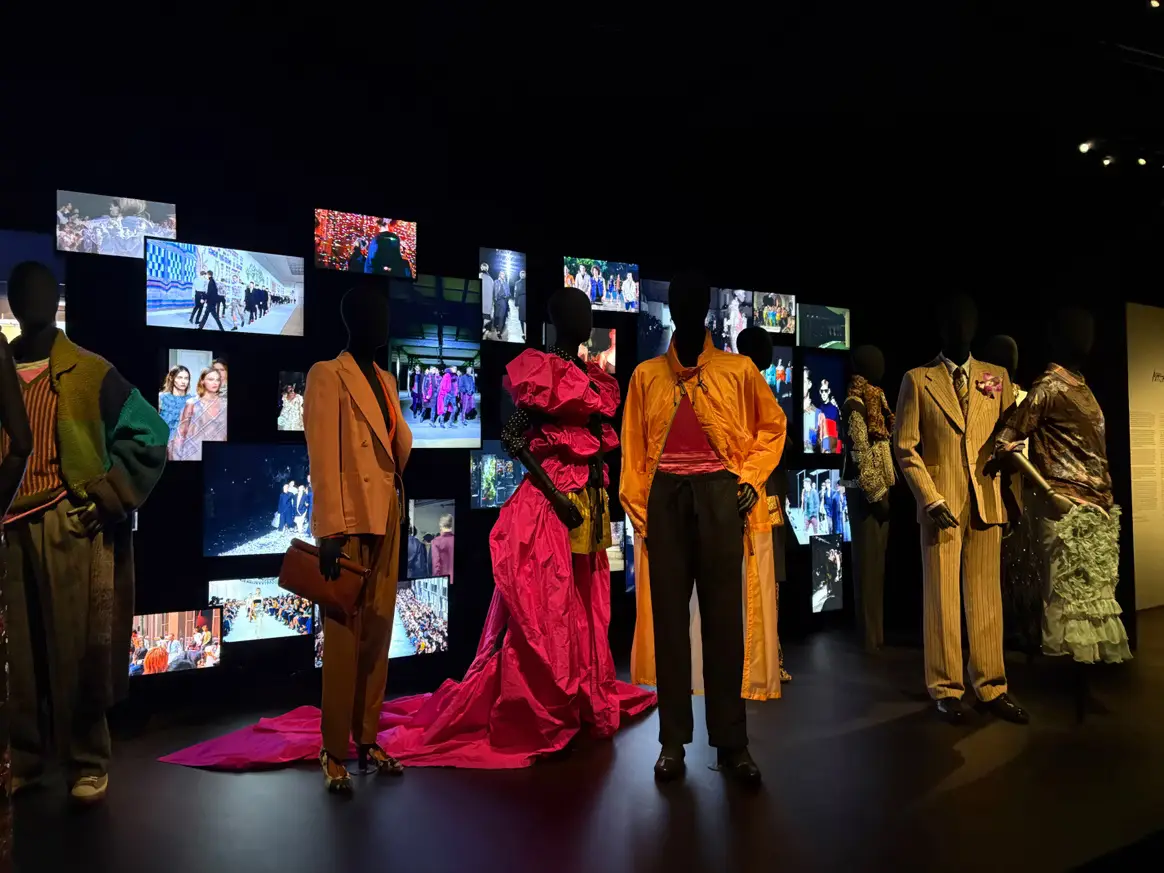
The recent show at Antwerp's MOMU looks at the designers' beginnings and how they all grew as individuals while working together on early projects. Their legacy isn't just about being successful; it's also about changing what fashion means.
Credits: FashionUnited
A School in Change
When the Antwerp Six entered the Academy, the fashion department was based on classic Parisian style, thanks to the director, Mary Prijot. However, outside the school walls, the fashion world was changing a lot because of the punk movement, the New Romantic movement, and the latest fashion trends in Japan and Italy.
This difference created a lot of tension. The students, exposed to a wide range of global ideas, resisted the school's traditional structure. When they graduated, the desire for modernity had already started to change the school. This was the start of the new innovations to be introduced by Linda Loppa.
Credits: FashionUnited
Early successes and exposures around the world
The Golden Spindle competition in Belgium was their first major break. This gave them access to the industry. Ann Demeulemeester and Dirk van Saene were now household names because of this competition, and this group was now the new stars to watch out for. They then moved to Japan, where they were exposed to the whole idea of fashion.
This changed everything for me. Their designs were a huge success among people all over the world, especially in Osaka, as their collections were extremely popular. This was a turning point for them as it changed their perspective on fashion beyond clothing.
London, Florence, and the Rise of a Collective
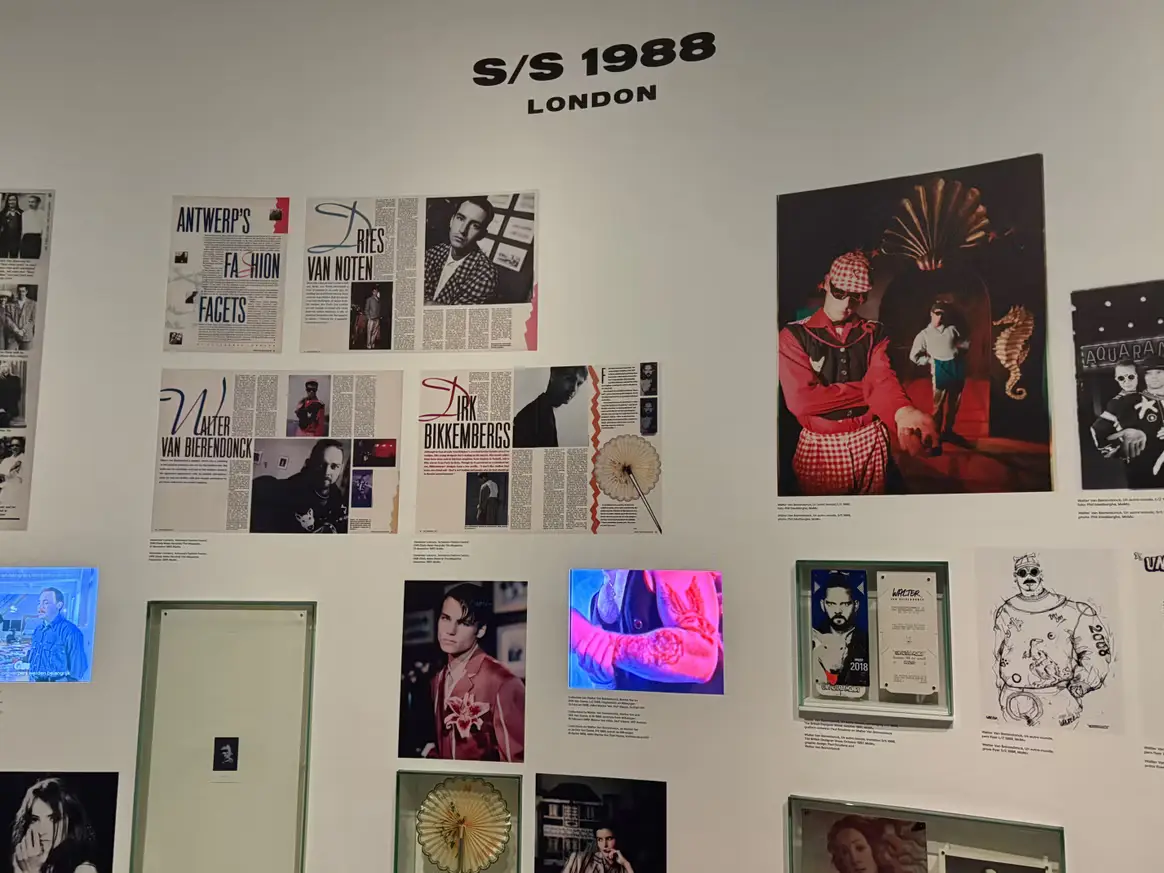
The big break for the Antwerp Six came in 1986 in London, where they flaunted their collections at the British Designer Show. Despite being in a tough spot, their ingenuity in handing out their own flyers ensured them customers. While Dries van Noten received orders from Barneys New York, other designers received international stockists, ensuring that Belgium was placed firmly on the international map for good.
The Antwerp Six’s trip to Florence for the Pitti Trend exhibition later in the year cemented their reputation even further. They displayed their spirit of cooperation and determination by arriving at the exhibition in camper vans, showing their work with limited resources. While they were never formally a group, their shared experiences and success at the same time led to the long-lasting identity of the Antwerp Six.
Six Designers, One Lasting Legacy
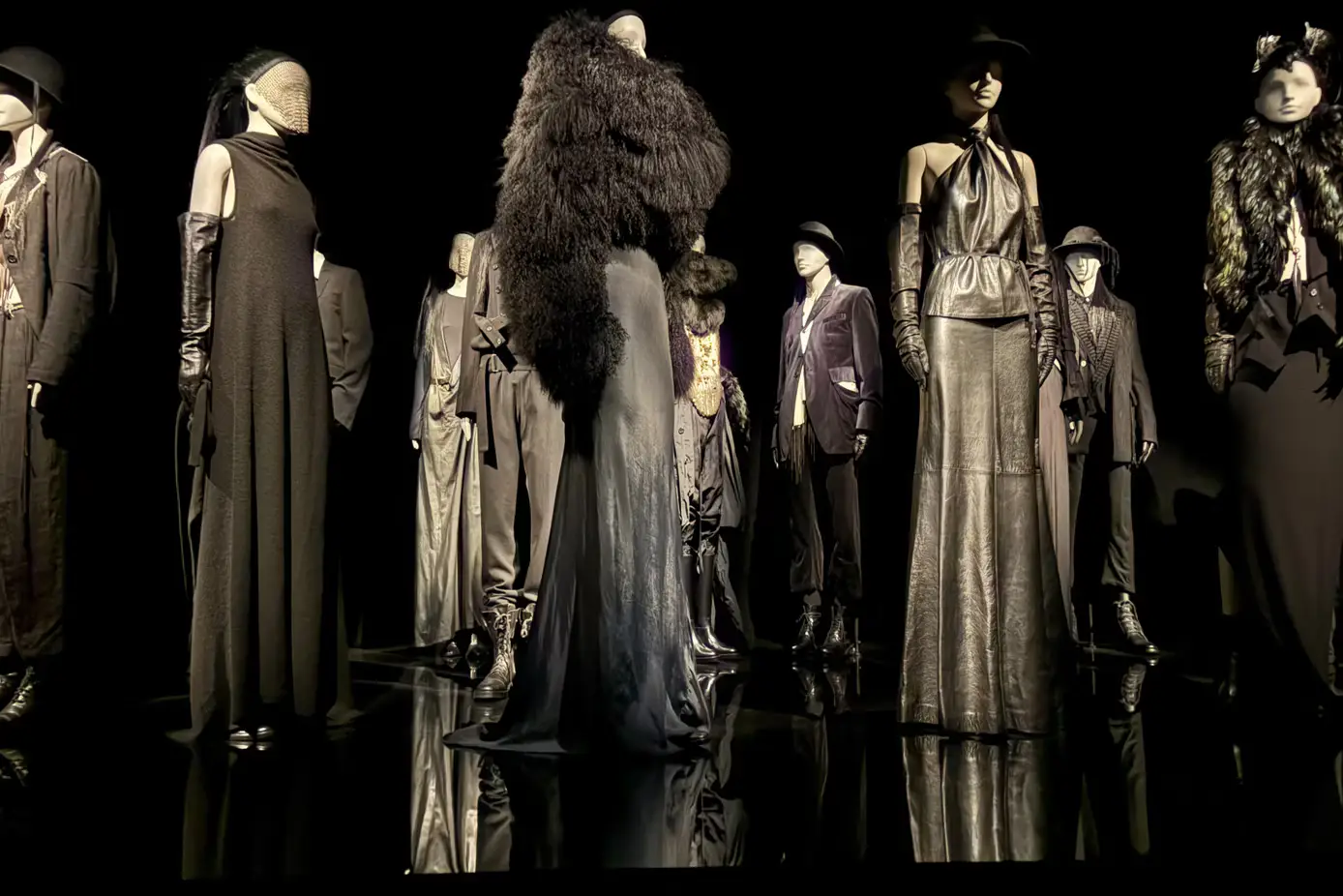
The Antwerp Six are not only an interesting story, but also an interesting story about how different each of the six designers was. Each had their own style, from Demeulemeester's poetic minimalism to Van Noten's eclectic richness and Van Beirendonck's bold experimentation. Each was unique, and it was this uniqueness that made them stronger. Diversity is the key to innovation.
You can still feel their legacy in the fashion world even forty years later. Their story makes you think about creativity, freedom, and what it takes for new talent to flourish. The Antwerp Six are not just a moment in history; they are an example of creativity and collaboration.

Written By
Isabella Rossi explores fashion, art, and culture, connecting global trends with deeper social and creative narratives.