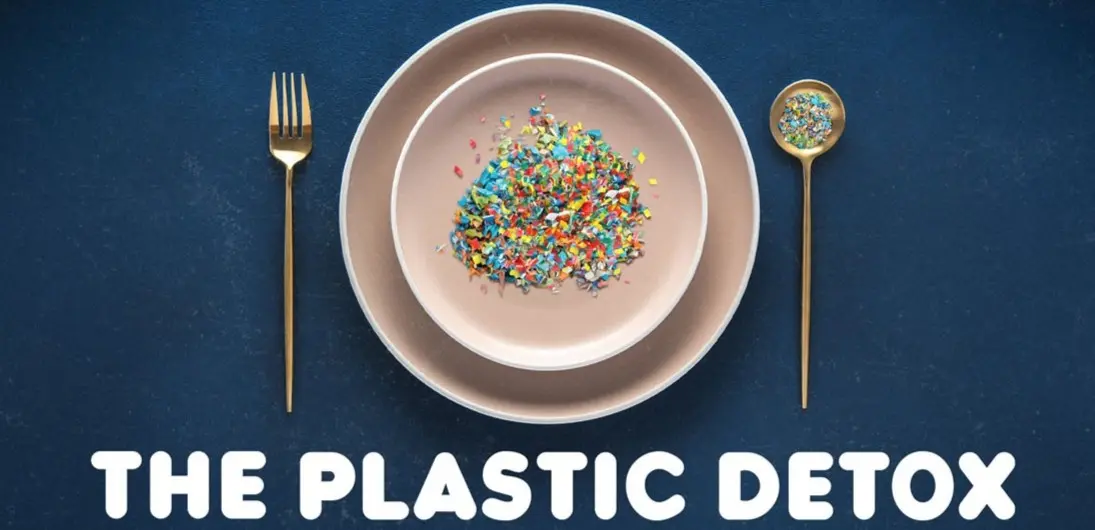
On March 16, Netflix will release a new documentary called "The Plastic Detox". The movie looks into the growing concern about microplastics, especially their possible links to lower fertility rates and other health issues that may come up later.
Microplastics have also been found in clothing fibers and cosmetics, in addition to food packaging and toys. The word describes small pieces of plastic that can come apart from bigger pieces over time and be eaten or breathed in. More and more studies have found a connection between plastics, which often have chemicals added during the manufacturing process, and health problems, from infertility to cancer.
The documentary also looks at whether making small changes to your lifestyle can help lower your exposure and improve your health in general.
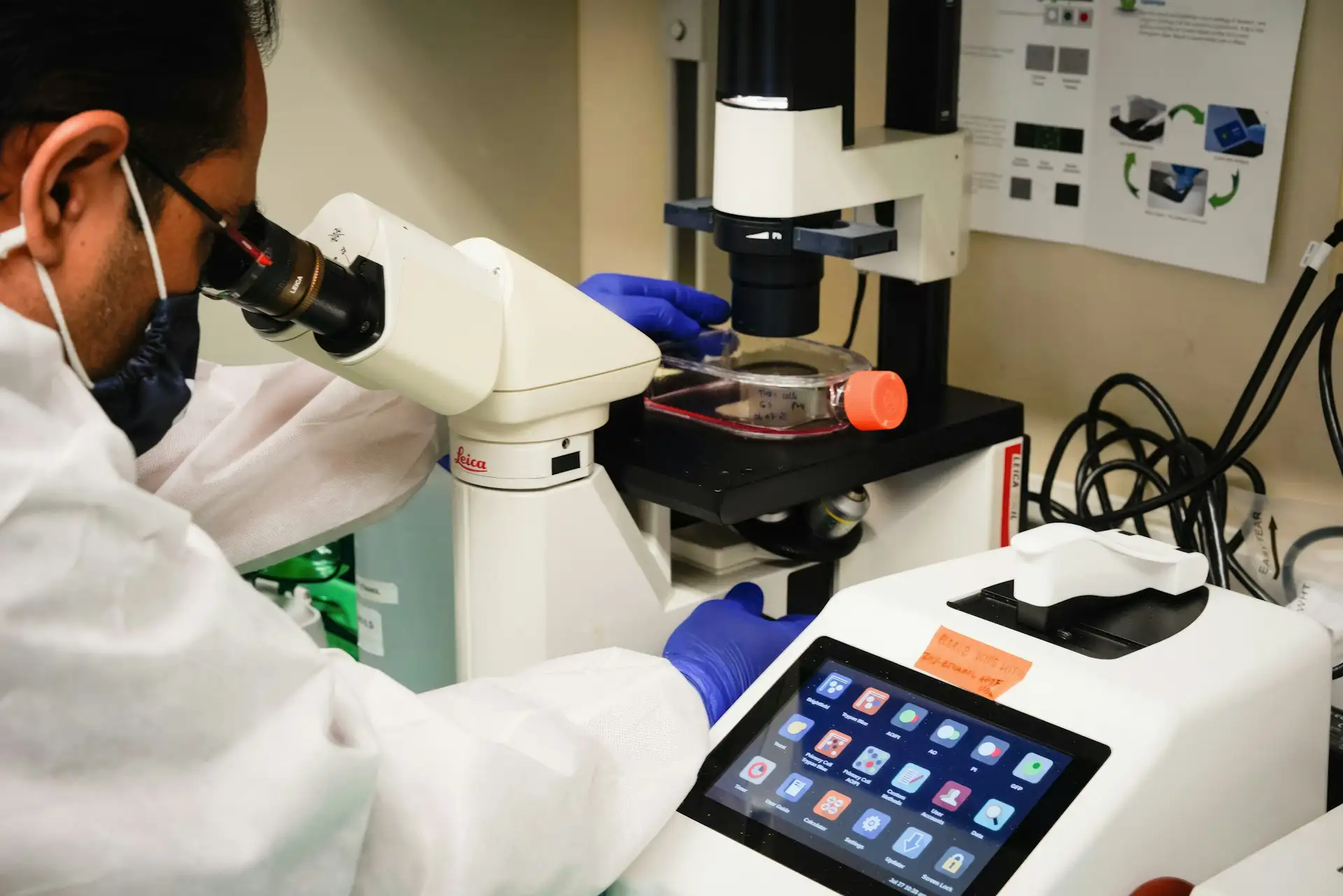
Credits: Research
With the help of environmental and reproductive epidemiologist Shanna Swan, the documentary follows six couples who are having trouble getting pregnant for no clear reason. Over the course of three months, they try to cut down on their exposure to chemicals that come from plastic in the hopes of getting healthier.
The film features voices from community organizers opposing petrochemical projects, alongside fashion designers striving to eliminate harmful dyes and synthetic fibers from their manufacturing methods.
The documentary connects environmental problems with personal health, showing how plastics are everywhere in modern life.
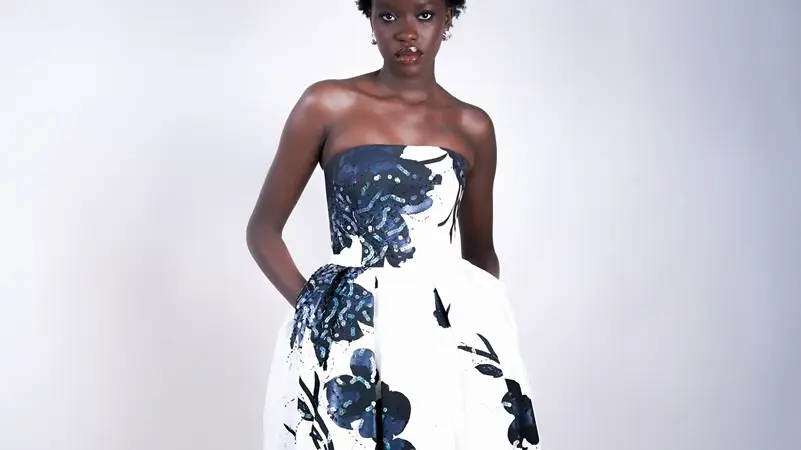
Credits: Sparxell
LVMH-Backed Sparxell Showcased in Documentary for Innovative Plant-Based Pigment Solutions
One of the documentary's highlights is its focus on Sparxell, a company developing plant-based, biodegradable pigments. Sparxell is working to supplant conventional petrochemical dyes, mined minerals, and plastic-based pigments—think of the widely used azo dyes—with assistance from LVMH.
The company's cellulose-based pigments are already being used in business, and there are several partnerships and pilot projects going on. The documentary also shows how designers like Patrick McDowell have worked with Sparxell and textile innovators to make plant-based alternatives for making clothes.The movie highlights these new ideas to show how they could help make plastics less harmful to the environment and people's health.
By spotlighting these innovations, the film underscores the potential for sustainable solutions to reduce the environmental and health impacts of plastics.

Written By
Isabella Rossi explores fashion, art, and culture, connecting global trends with deeper social and creative narratives.