Nolan’s Adaptation Revives Debate Around Originality
The upcoming film The Odyssey by Christopher Nolan was the focus of a wider discussion on originality, remakes, and contemporary culture. An opinion piece in The Irish Times argued that the attempt to adapt Homer’s epic poem is not evidence of “a cultural void” but of the way in which perennial stories are still evolving and being reinterpreted by subsequent generations.
The article dismissed claims that Hollywood’s tendency to draw on adaptations is necessarily indicative of a lack of imagination. The piece suggested that people are generally wrong about cultural periods while they are living through them and are unable to know at the time which artistic achievements will end up defining a generation. It suggested that future audiences may remember very different works from the 2020s than critics currently expect.
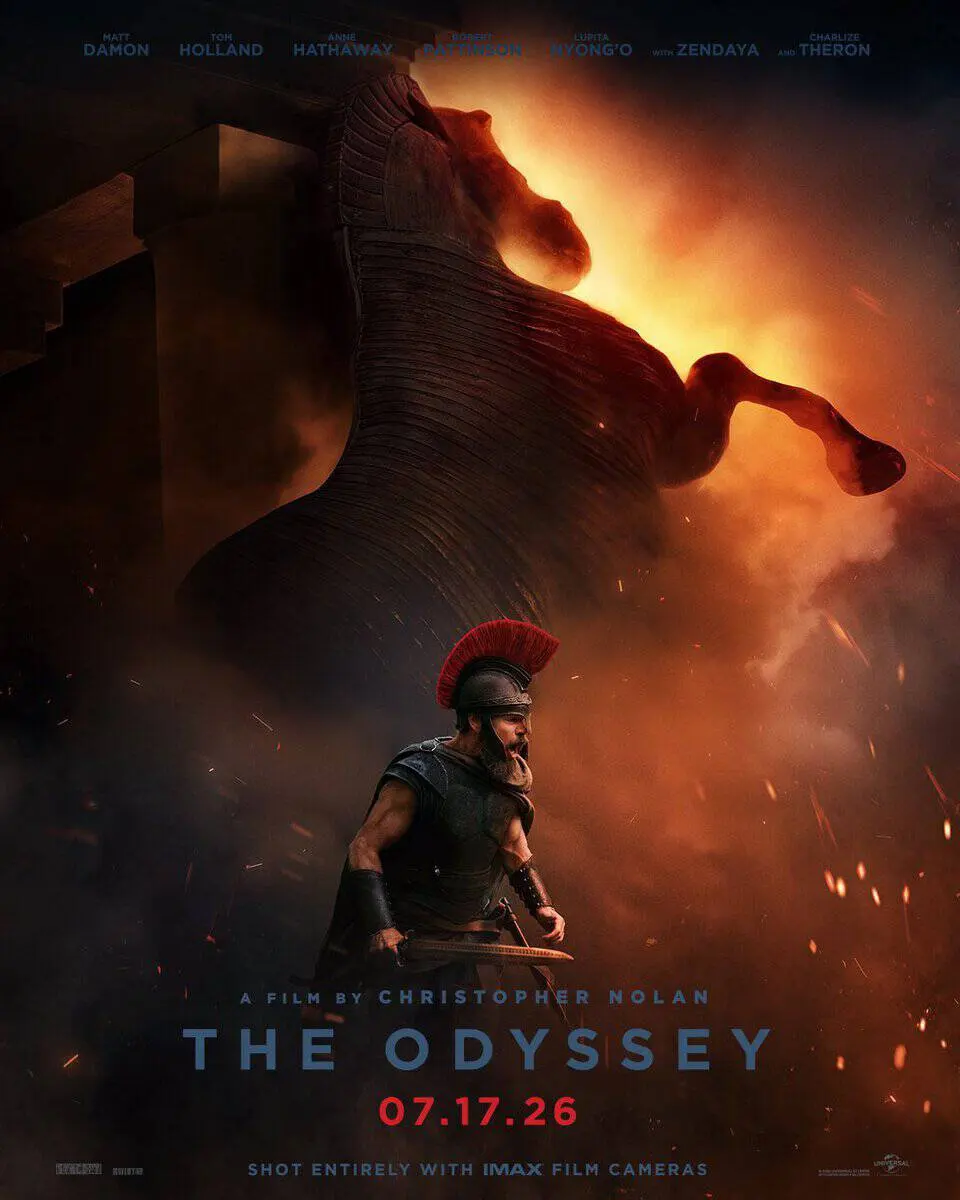
Nolan’s adaptation stars Matt Damon as Odysseus alongside Zendaya, Tom Holland, Lupita Nyong’o, Anne Hathaway, Robert Pattinson, and Charlize Theron. The film follows Odysseus’s 10-year journey home after the Trojan War and has become one of the most anticipated releases of 2026.
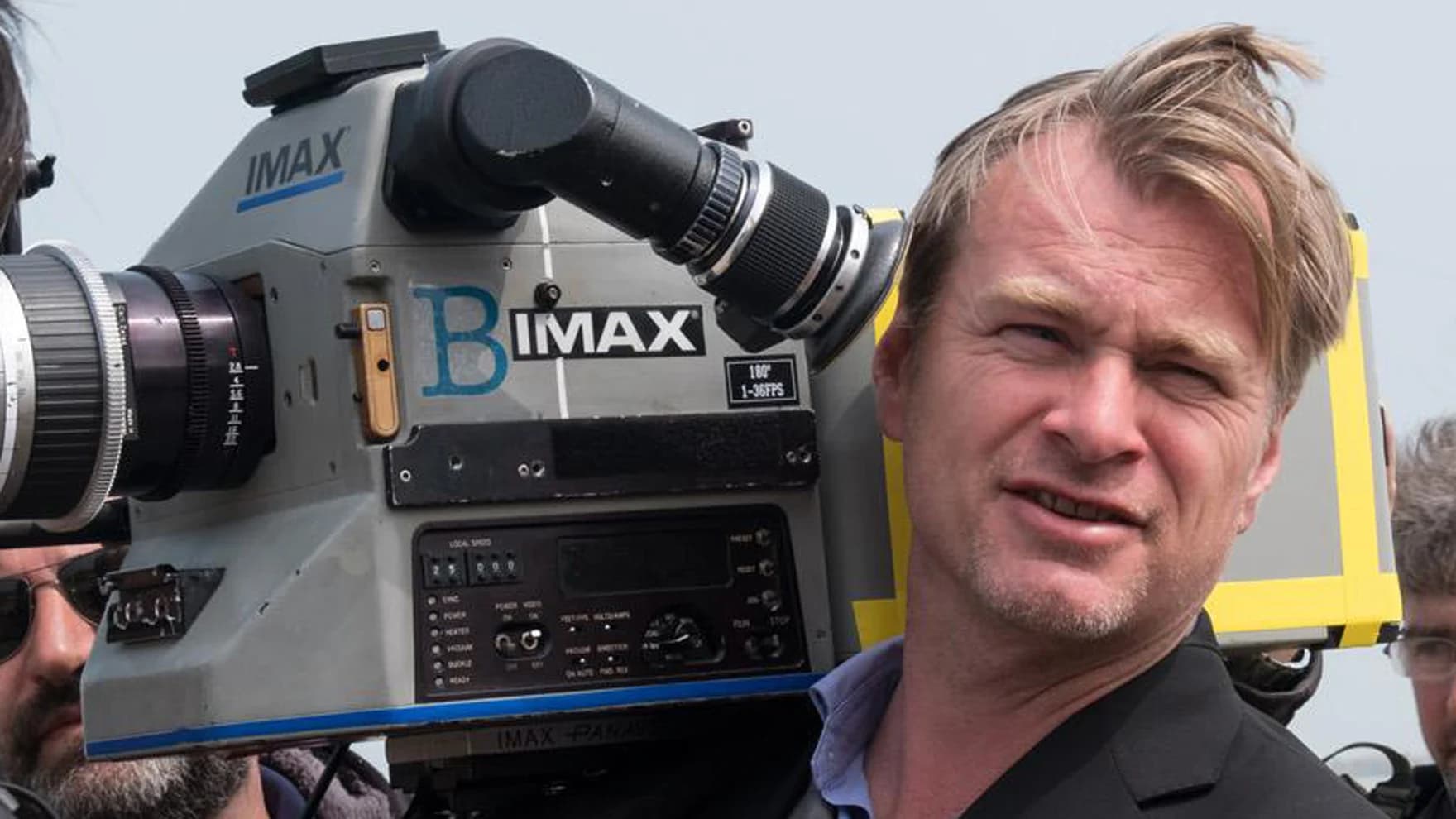
The movie reportedly carries a budget of about $250 million and became the first blockbuster filmed entirely using IMAX 70mm cameras. Nolan described Homer’s epic as “foundational” to modern storytelling and even referred to Greek heroes as “the original superheroes.”
The Irish Times argued that revisiting ancient myths should not be viewed as artistic stagnation because reinterpretation itself has always been central to literature, theater, and cinema. Instead of treating adaptations as cultural exhaustion, the article framed Nolan’s project as part of a long tradition of retelling foundational stories in new historical contexts.
Credits: Film Promotion
Casting Controversies and Online Backlash Intensify Attention
Even before release, The Odyssey became engulfed in online arguments surrounding historical authenticity, casting, and representation. Critics targeted the film’s dialogue, costumes, and multicultural cast, while supporters argued mythology has always evolved across cultures and eras.
Some online backlash focused particularly on Lupita Nyong’o’s casting and rumors involving Elliot Page potentially portraying Achilles. Social media critics compared Nolan’s adaptation unfavorably with Wolfgang Petersen’s 2004 film Troy and accused the new production of sacrificing historical realism.
Irish Times critic Donald Clarke dismissed many of the complaints as exaggerated “pedantry,” arguing audiences were becoming “utterly insufferable” about a movie still months away from release. The trailer itself generated enormous discussion over accents, modern dialogue, and stylistic liberties.
Nolan defended his artistic approach during interviews, arguing that Homer’s epics have always changed through oral storytelling traditions and reinterpretation. He also connected Greek mythology to modern superhero culture, saying ancient heroes continue influencing contemporary storytelling structures.
The amount of chatter surrounding the film revealed Nolan’s unique position in the world of modern cinema. His projects increasingly function as broader cultural events rather than ordinary film releases. Critics described The Odyssey as one of the few large-scale original cinematic epics during an era dominated by franchise filmmaking and superhero universes.
Filming took place across Morocco, Greece, Italy, Iceland, Scotland, and Malta using large-scale practical effects and real-world locations rather than heavy digital production. Commentators described the project as one of Nolan’s most ambitious works and potentially the defining cinematic spectacle of 2026.
Critics Say Cultural Impact Can Only Be Measured With Time
The central argument in The Irish Times article was that societies rarely recognize defining cultural works while they are happening. The piece criticized the modern tendency to declare contemporary culture creatively bankrupt simply because audiences consume remakes, sequels, and adaptations.
According to the article, many works now considered classics were themselves reinterpretations of earlier myths, literature, and folklore. The author said that the secret to artistic invention is not to invent new stories but to change old stories in important ways.
The article pointed to examples ranging from independent literature to Taylor Swift’s global cultural influence as reminders that the decade’s defining artistic achievements may not yet be obvious. Rather than seeing The Odyssey as proof of cultural stagnation, the piece described the film as evidence that foundational stories continue remaining relevant thousands of years later.
Nolan himself described Homer’s poem as material that naturally invites reinterpretation. His adaptation emphasizes themes involving sacrifice, family, identity, time, and homecoming — ideas that critics noted have appeared throughout Nolan’s earlier films including Interstellar, Inception, and Dunkirk.
The discussion surrounding The Odyssey therefore expanded beyond one film into a broader conversation about originality, adaptation, cultural memory, and how societies determine which works truly define an era.

Written By
Isabella Rossi explores fashion, art, and culture, connecting global trends with deeper social and creative narratives.