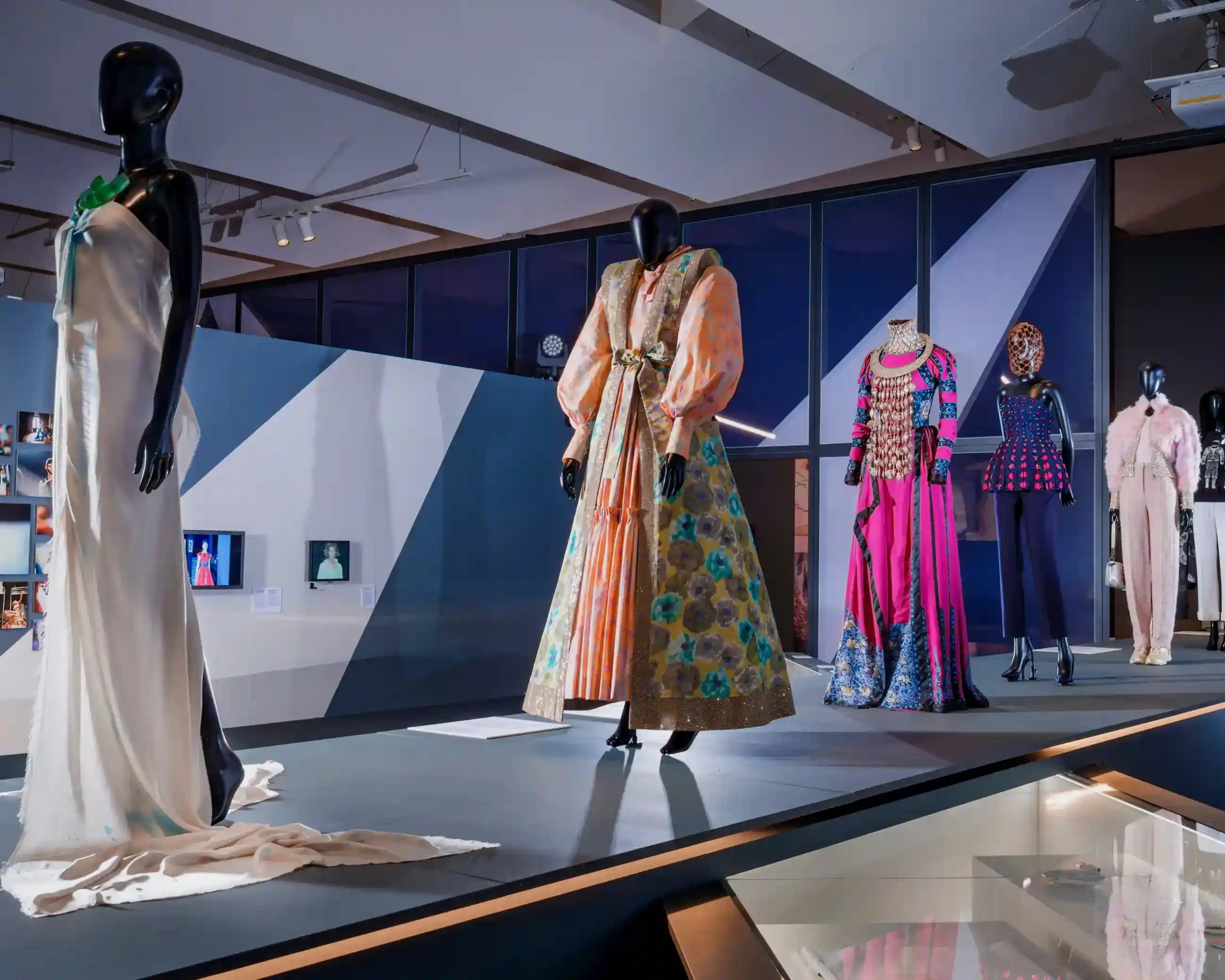
The V&A Dundee’s exhibition Catwalk: The Art of the Fashion Show explores more than a century of fashion show history, beginning with intimate 19th-century salon presentations and evolving into today’s global spectacles. Among its highlights is a story from 1971, when Manolo Blahnik designed shoes for Ossie Clark’s London show but भूलfully omitted steel pins in the heels, causing models to wobble down the runway—an accident later praised as a new style of walking. This anecdote captures the unpredictable creativity that has long defined the catwalk.
The display of more than 100 years of fashion history demonstrates the impact of catwalk fashion on mainstream fashion and consumer behavior. According to curator Leonie Bell, catwalk fashion dictates not only high fashion but also the clothes that people end up wearing and purchasing. In addition, the event also celebrates the contribution of Scotland to catwalk fashion, from early exhibitions in Glasgow to catwalk displays by Christian Dior and current catwalk shows in historical locations.
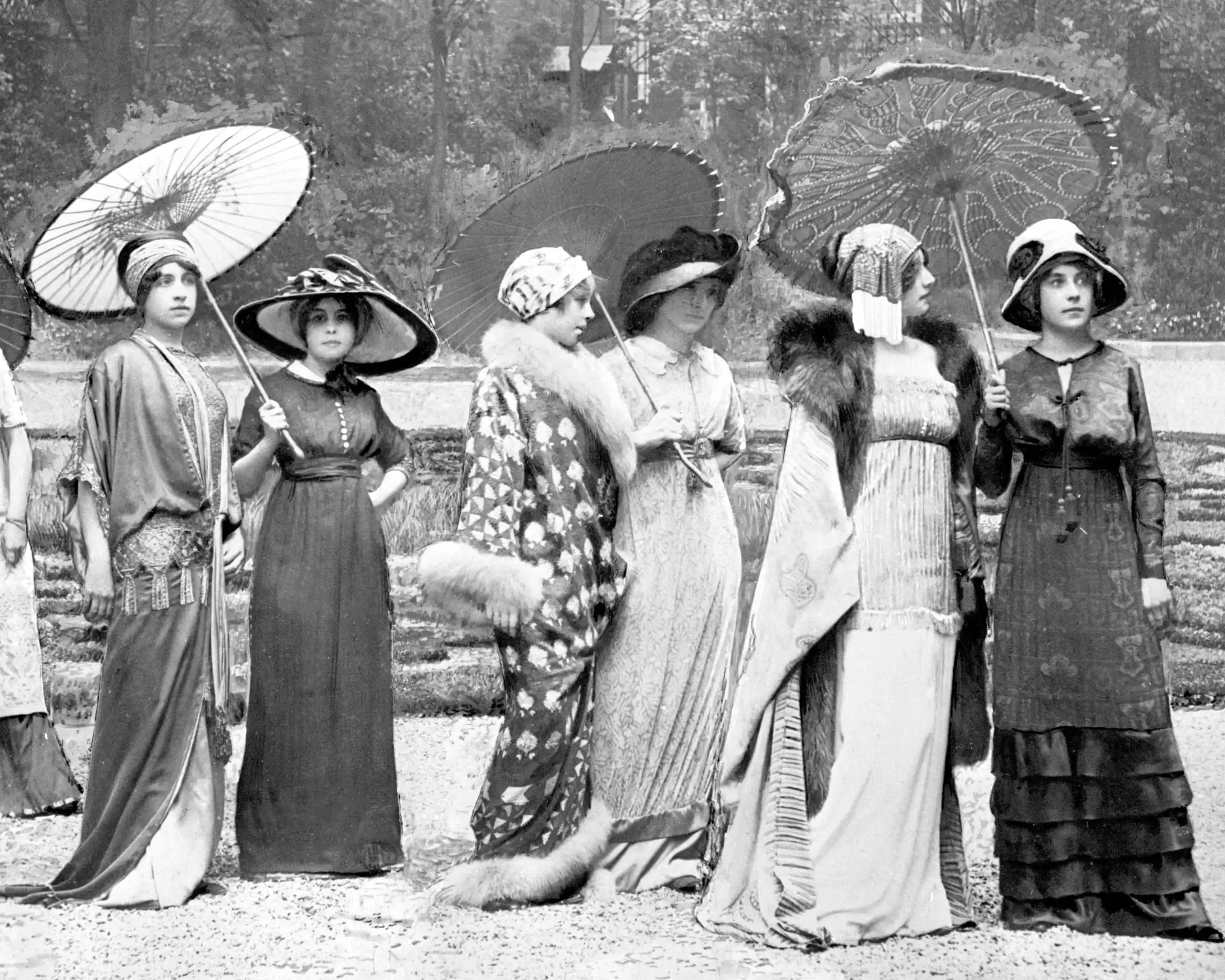
Credits: A Paul Poiret fashion show in Paris in 1910
Exploring the history of the catwalk, the exhibition starts with the development of "living mannequins" in the 1850s, which was used by fashion houses in the promotion of their clothes among wealthy clients. With time, fashion shows shifted from fashion salons to less traditional settings such as gardens and ocean liners, turning into powerful marketing instruments. In the mid-twentieth century, the rise of ready-to-wear clothes infused energy into fashion shows, with designers like Paco Rabanne and Mary Quant revolutionizing catwalk fashion with creative fabrics, music, and energetic performances.
This signaled an end to traditional static shows that were both restrictive and elitist. The catwalk show was no longer simply about displaying the clothes; it had also become a means of capturing changes in styles, identities, and trends within society.
Fashion shows in the contemporary era have come a long way and now include elements of luxury marketing combined with advanced technology in creating a multi-dimensional experience. The exhibit is a testimony to this change through events like the Chanel rocket launch show by Karl Lagerfeld, along with theatrical performances involving famous models and stunning stage designs. The invitations themselves have now transcended their functional purpose and can even be considered works of art.
Beyond the glitz, Catwalk also showcases fashion's collaborative and democratic spirit. The exhibition's focus on behind-the-scenes essentials—makeup, wigs, and styling equipment—underscores the teamwork that goes into every show. It makes clear that fashion shows aren't just singular spectacles; they're cultural events that shape and mirror the world around us. From those in the front row to those watching from afar, the exhibition invites everyone to be part of this ongoing story.

Written By
Sophia Rodriguez covers global runway trends, emerging designers, and sustainable fashion with expert insight and refined editorial storytelling.